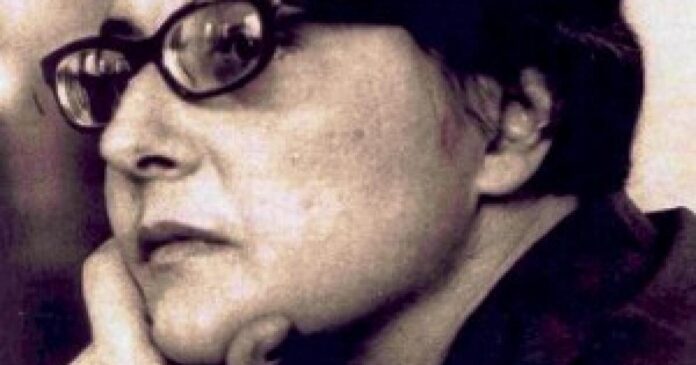
Rhena Schweitzer-Miller was an American humanitarian and medical worker best known for continuing the mission started by her father, Albert Schweitzer. She was born on January 14, 1919, in Strasbourg and spent much of her life connected to the famous hospital her father founded in Lambaréné, Gabon. While many people know her as “Albert Schweitzer’s daughter,” her own work and dedication made her an important humanitarian figure in her own right.
Rhena Schweitzer-Miller believed deeply in the idea of “Reverence for Life,” the philosophy her father taught. But she did more than talk about it. She lived it through action. She worked as a medical technician, helped manage a hospital in Africa, and later participated in relief efforts around the world. Her life shows how compassion can move from one generation to the next.
Quick Information About Rhena Schweitzer-Miller
| Detail | Information |
|---|---|
| Full Name | Rhena Schweitzer-Miller |
| Born | January 14, 1919 |
| Died | February 22, 2009 |
| Nationality | American |
| Profession | Humanitarian, Medical Worker |
| Known For | Director of Albert Schweitzer Hospital |
Early Life and Family Background of Rhena Schweitzer-Miller
Rhena Schweitzer-Miller was the only child of Albert Schweitzer and his wife, Helene Bresslau. Her childhood was not ordinary. Her father spent much of his time in Africa building and running a hospital. This meant she often grew up away from him, mostly in Europe. Even though they were sometimes separated by distance, his ideas and values strongly shaped her thinking.
Growing up during the early 20th century also meant living through difficult times, including World War I and World War II. These global conflicts influenced how she saw the world. She understood suffering from a young age. That understanding helped shape her strong sense of responsibility toward helping others, especially those in poor or war-affected regions.
Family Background Overview
| Family Member | Role and Influence |
|---|---|
| Albert Schweitzer | Father, doctor and Nobel Peace Prize winner |
| Helene Bresslau | Mother, nurse and supporter of hospital work |
| Rhena Schweitzer-Miller | Only child, continued humanitarian legacy |
Rhena Schweitzer-Miller and Medical Humanitarian Work
Rhena Schweitzer-Miller trained as a medical technician so she could support the hospital founded by her father in Gabon. The hospital, known as the Albert Schweitzer Hospital, served thousands of patients from across Central Africa. When her father died in 1965, she stepped into leadership. Becoming director was not easy. She had to manage medical staff, handle finances, and ensure the hospital continued its mission.
Personal Life of Rhena Schweitzer-Miller
Rhena Schweitzer-Miller’s personal life was intertwined with her humanitarian work. She first married Jean Eckert, though this marriage ended, and later she married Dr. David C. Miller, a physician she met through her work at the hospital. Together, they traveled to multiple countries, including Pakistan, India, Bangladesh, Ethiopia, Vietnam, and Yemen, providing medical aid and humanitarian assistance to communities in need. Her marriages were not just personal unions but partnerships in service, showing how her private life and her dedication to helping others were deeply connected.
Even outside her work, Rhena valued family, education, and the preservation of her father’s philosophy. She lived for periods in Atlanta and later in Pacific Palisades, California, always staying involved in efforts that extended the impact of Albert Schweitzer’s mission. Her life demonstrated that compassion is both a personal and public endeavor, blending everyday life with extraordinary humanitarian work.
Continued Global Humanitarian Impact
After leaving Gabon, Rhena Schweitzer-Miller continued to carry the torch of her father’s mission worldwide. With her husband, she participated in various relief efforts in countries affected by war, poverty, and disease. Their work focused on medical aid, establishing clinics, and training local healthcare workers. Her ability to coordinate resources and respond to urgent needs made her a respected figure in global humanitarian circles.
In addition to direct medical work, Rhena co-founded the Albert Schweitzer Institute for the Humanities. This institute promoted humanitarian values and recognized individuals who dedicated themselves to service in the spirit of her father’s philosophy of “Reverence for Life.” Through lectures, fellowships, and awards, she ensured that the principles of compassion and ethical responsibility continued to influence new generations.
Legacy of Rhena Schweitzer-Miller
The legacy of Rhena Schweitzer-Miller is profound. She preserved her father’s humanitarian ideals and expanded them in ways he could not have imagined. Her leadership at the Albert Schweitzer Hospital ensured the facility remained a hub of medical care in Central Africa. Beyond that, her global work inspired countless humanitarian programs and motivated others to dedicate themselves to service.
Her story teaches several lessons:
- Compassion can cross generations.
- Leadership in humanitarian work requires courage and resilience.
- Education, training, and infrastructure are essential to sustainable aid.
Rhena Schweitzer-Miller also contributed to the documentation of her father’s work through letters, writings, and historical records. These materials remain invaluable for understanding both her father’s and her own approach to service. Her impact continues today through fellowships, institutes, and the countless lives touched by her commitment.
FAQs About Rhena Schweitzer-Miller
1. Who was Rhena Schweitzer-Miller?
She was an American humanitarian and the daughter of Nobel Laureate Albert Schweitzer, continuing his legacy in Africa and globally.
2. What was her role in the Albert Schweitzer Hospital?
She became director after her father’s death in 1965 and managed the hospital through challenging times, including the Nigerian Civil War.
3. Did she work internationally outside Gabon?
Yes, she provided medical and humanitarian aid in Pakistan, India, Bangladesh, Ethiopia, Vietnam, and Yemen.
4. What is the Albert Schweitzer Institute for the Humanities?
It is an institute co-founded by Rhena that promotes humanitarian values and recognizes individuals committed to service.
5. How is Rhena Schweitzer-Miller remembered today?
She is remembered for her compassion, leadership, and lifelong dedication to global humanitarian work inspired by her father.