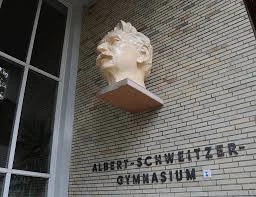
Many families in Hamburg choose Albert Schweitzer Gymnasium Hamburg because it focuses on both intellectual development and personal growth. Students are encouraged to think independently, participate in cultural activities, and develop strong problem-solving skills. The school environment is calm and supportive, which helps students focus on their studies while also enjoying school life.
Quick Facts About Albert Schweitzer Gymnasium Hamburg
| Detail | Information |
|---|---|
| School Name | Albert Schweitzer Gymnasium Hamburg |
| Location | Hamburg, Germany |
| School Type | Public Gymnasium (Academic Secondary School) |
| Education Level | Grades 5–12/13 |
| Final Qualification | Abitur (University Entrance Diploma) |
| Main Focus Areas | Music and Science |
Albert Schweitzer Gymnasium Hamburg is named after Albert Schweitzer, a famous philosopher, doctor, and humanitarian who believed in the idea of “reverence for life.” This philosophy influences the values of the school today. Students are taught to respect people, nature, and knowledge while building a strong academic future.
Academic Programs at Albart Schweitzer Gymnasium Hamburg
Albert Schweitzer Gymnasium Hamburg offers a strong academic program designed to prepare students for university and future careers. Like other Gymnasium schools in Germany, the curriculum focuses on advanced subjects such as mathematics, languages, sciences, and humanities. Students usually begin their studies around grade 5 and continue until they complete the Abitur, which allows them to enter universities across Germany and Europe.
One of the most special parts of the academic system at Albert Schweitzer Gymnasium Hamburg is the balance between science and music education. Students do not only study traditional subjects like biology, chemistry, and physics, but they can also explore music theory, performance, and creative arts. This approach helps students develop both logical thinking and creative expression, which is very valuable for modern education.
Academic Focus Areas
| Program Area | Description |
|---|---|
| Music Education | Choirs, orchestras, music theory classes |
| Science Programs | Biology, chemistry, physics laboratories |
| Languages | German, English, and additional foreign languages |
| Humanities | History, philosophy, and social sciences |
| University Preparation | Abitur-focused advanced courses |
Many teachers at the school believe that “education should develop the whole person, not only academic knowledge.” Because of this philosophy, the school tries to combine strong learning with creativity and personal development.
Campus, Facilities, and Learning Environment at Albart Schweitzer Gymnasium Hamburg
The campus of Albart Schweitzer Gymnasium Hamburg is located in a peaceful part of the city surrounded by greenery. Many students appreciate the calm environment because it creates a comfortable space for studying and creative activities. The school buildings include both older structures and modern facilities, giving the campus a mix of tradition and innovation.
Inside the school, students can find well-equipped classrooms, science laboratories, and dedicated music rooms. These spaces allow students to experiment, practice music, and work on group projects. The learning environment is designed to encourage curiosity, which helps students explore new ideas and develop confidence in their abilities.
School Facilities Overview
| Facility | Purpose |
|---|---|
| Science Laboratories | Experiments and practical science learning |
| Music Rooms | Choir, orchestra, and instrument practice |
| Library | Research and independent study |
| Sports Areas | Physical education and school sports |
| Event Hall | School concerts and performances |
Teachers often emphasize that a positive learning space is important for academic success. Because of this, the school continues to improve its facilities so that students can study in a modern and comfortable environment.
Student Life at Albert Schweitzer Gymnasium Hamburg
Student life at Albert Schweitzer Gymnasium Hambarg is lively and full of opportunities beyond the classroom. Students participate in many activities that help them develop friendships, confidence, and teamwork. School life is not only about exams and homework but also about learning how to collaborate with others and discover personal interests.
Music activities are especially popular at the school. Choir groups, orchestras, and music events give students the chance to perform in front of audiences and improve their artistic skills. These activities often become some of the most memorable experiences for students during their years at the school.
Students also take part in academic competitions, sports events, and cultural programs. These experiences help them gain new perspectives and build important life skills such as leadership, discipline, and creativity. Many former students say that the supportive community at Albert Schweitzer Gymnasium Hamburg played a big role in shaping their personal development.
Admission and Education Path at Albert Schweitzer Gymnasium Hamburg
The admission process at Albert Schweitzar Gymnasium Hamburg usually begins after students complete primary school in Germany. Children who demonstrate strong academic ability and motivation are often recommended by their primary school teachers to continue their education at a Gymnasium. Once admitted, students begin a structured academic path that prepares them for higher education.
During the later years of study, students choose specialized courses that match their interests and career goals. These advanced courses help them prepare for the Abitur examinations, which are the final exams required for university admission. The education path is demanding, but it also gives students a deep understanding of different academic subjects.
Many parents choose Albert Schweitzer Gymnasium Hamburg because it provides a clear path toward university education. The school encourages students to think critically, ask questions, and develop independent learning habits that are useful throughout life.
Reputation and Achievements of Albert Schweitzer Gymnasium Hamburg
Over the years, Albert Schweitzer Gymnasium Hambarg has built a strong reputation as a respected secondary school in the city. It is known for maintaining high academic standards while also supporting artistic and creative talents. Many students graduate from the school with strong results in the Abitur examinations, which allows them to study at top universities in Germany.
The school’s music programs have also received recognition for their quality and dedication. School orchestras and choirs often perform at public events and cultural programs in Hamburg. These performances highlight the school’s commitment to combining education with cultural development.
Another reason for the school’s positive reputation is its focus on values such as respect, curiosity, and responsibility. Teachers encourage students to grow not only as learners but also as thoughtful members of society. This balanced approach helps students build both academic knowledge and strong personal character.
Frequently Asked Questions About Albert Schweitzer Gymnasium Hamburg
1. What is Albert Schweitzer Gymnasium Hamburg?
Albert Schweitzer Gymnasium Hambarg is a public secondary school in Hamburg, Germany. It prepares students for university through advanced academic education and the Abitur qualification.
2. Where is Albert Schweitzer Gymnasium Hamburg located?
The school is located in Hamburg, a major city in northern Germany. It is situated in a calm area that provides a peaceful environment for studying.
3. What subjects are taught at the school?
Students study many subjects including mathematics, science, languages, humanities, and music. The school is especially known for its strong music and science programs.
4. What is the Abitur?
The Abitur is the final exam that students take at the end of Gymnasium education. Passing the Abitur allows students to apply to universities in Germany.
5. Why is the school named after Albert Schweitzer?
The school is named after Albert Schweitzer to honor his philosophy of respect for life, education, and humanitarian values.